History of Satta Matka in India From Cotton Rates to Online Markets

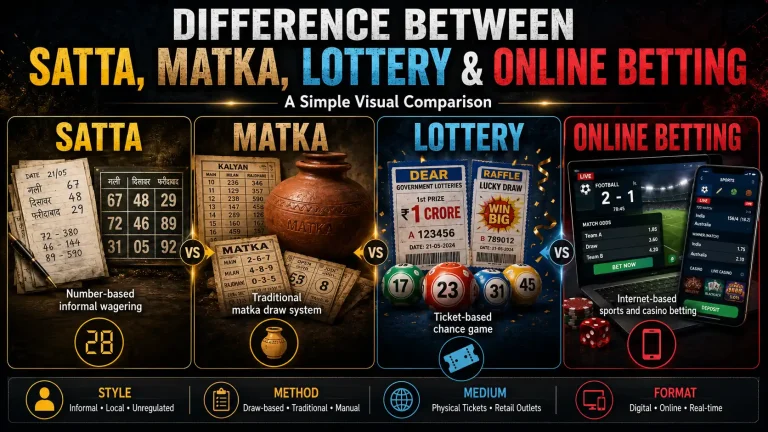
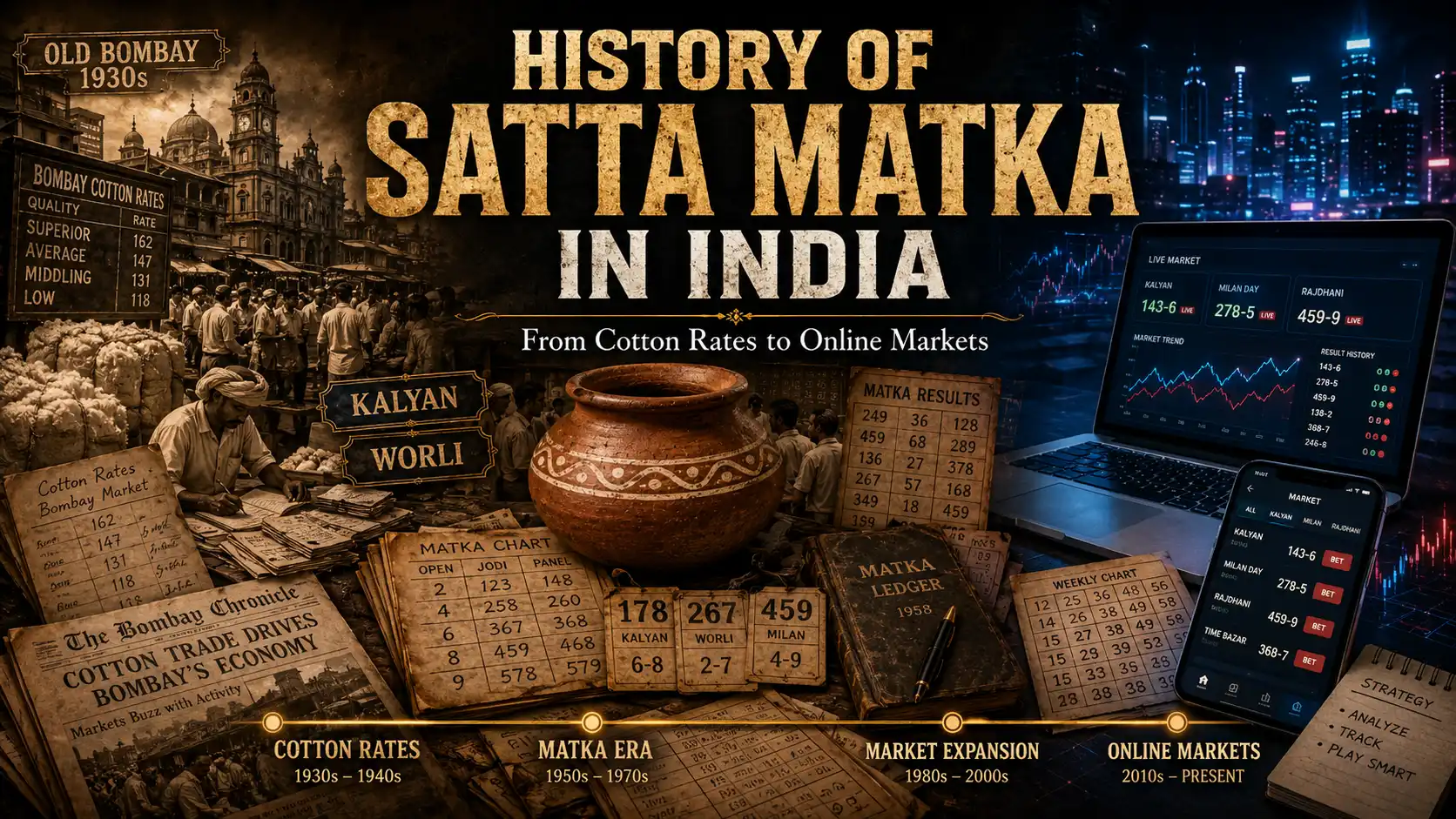
The history of Satta Matka in India is deeply connected with gambling culture, trading systems, local markets, and the evolution of betting activities over several decades. What started as a simple betting practice related to cotton exchange rates eventually transformed into one of the most talked-about number-based gambling systems in South Asia.
Over time, the system evolved from physical betting slips and local operators to mobile-friendly digital platforms and online communities. Today, people search about its origin, terminology, market structure, cultural influence, and online transformation. Understanding the historical background helps explain why the system became so popular and how it adapted to changing times.
This article explores the complete journey of Satta Matka in India from cotton trading and traditional matka draws to the rise of online gambling discussions and modern internet-based platforms.
Early Gambling Culture in India
Gambling has existed in India for centuries. Historical references to games of chance can even be found in ancient literature and mythology. Dice games, card games, and local betting traditions were common forms of entertainment in many regions.
Over time, local betting activities became more organized. Small communities began participating in number-based games that involved predicting outcomes for rewards. These systems usually operated informally and spread through word of mouth.
As urban markets grew during the 20th century, betting systems became more structured and financially active.
The Cotton Exchange Connection
The modern history of Satta Matka is closely tied to the cotton trade during the 1950s and 1960s.
At that time, traders in Mumbai used to bet on the opening and closing rates of cotton that were transmitted from the New York Cotton Exchange to the Bombay Cotton Exchange. People would predict the numbers related to these rates, and winners received payouts based on their predictions.
This practice gained popularity because:
- Results came from international markets
- Outcomes appeared unpredictable
- Small investments could generate large returns
- The process created excitement and suspense
The betting system gradually attracted people from different social and economic backgrounds.
End of the Cotton Rate System
Eventually, the original cotton exchange process stopped. When this happened, local gambling operators needed an alternative method to continue the betting activity.
Instead of relying on external cotton rates, organizers developed their own random number-draw systems.
This transition marked the beginning of the traditional Matka system.
Birth of the Matka System
The word “Matka” means an earthen pot or clay pitcher.
In the early version of the game, slips containing numbers were placed inside a matka. One slip would then be randomly selected to determine the winning result.
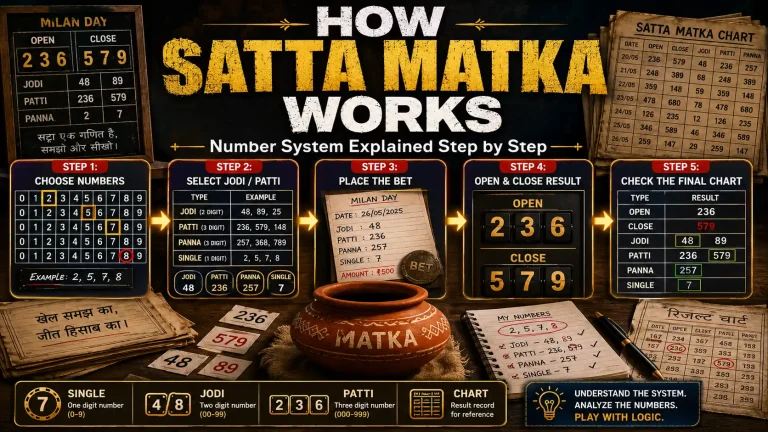
The process was simple:
- Participants selected numbers
- Bets were placed through local operators
- Number slips were added to the pot
- A random draw decided the winner
This format quickly became popular because it was easy to understand and required very little money to participate.
Rise of Local Markets
As participation increased, multiple local betting markets emerged across Mumbai and nearby regions.
Each market had:
- Separate operating times
- Different result schedules
- Unique betting patterns
- Specific local popularity
Some markets became widely recognized among participants and gradually developed strong underground networks.
The system expanded rapidly during the 1960s and 1970s.
Popularity During the 1970s and 1980s
During this period, betting culture surrounding number games grew significantly in urban areas.
Several factors contributed to the rise:
Easy Accessibility
People from different income groups could participate with small amounts.
Fast Results
Quick result announcements increased excitement and repeat participation.
Word-of-Mouth Expansion
Friends, neighborhoods, and local communities spread information about markets and betting schedules.
Potential High Returns
Large payout ratios attracted more participants despite the risks.
Role of Local Operators
Local operators played a major role in managing betting activities.
Their responsibilities included:
- Collecting bets
- Maintaining records
- Announcing results
- Distributing winnings
These operators often developed strong influence within underground gambling circles.
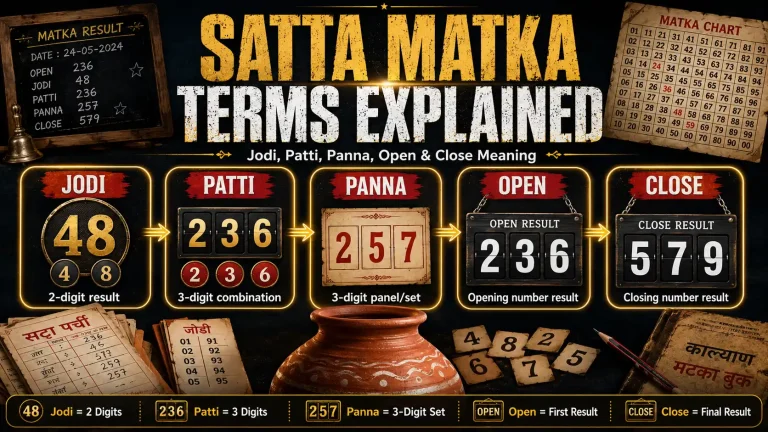
Common Terms That Emerged
As the system evolved, unique terminology became widely used.
Open
The first result announced during a session.
Close
The final result declared later in the process.
Jodi
A pair combination of numbers.
Patti or Panna
Specific number combinations used in advanced betting structures.
Single Digit
A simple one-number betting category.
Expansion Beyond Mumbai
Although the system became famous in Mumbai, its influence gradually spread to other parts of India.
Local versions began appearing in:
- Gujarat
- Rajasthan
- Uttar Pradesh
- Madhya Pradesh
- Delhi
- Other urban regions
Different areas developed their own styles, timing systems, and terminology.
Social and Cultural Influence
Over time, betting culture surrounding number games became part of local urban life.
In some communities:
- Discussions about numbers became common
- Result timings attracted public attention
- Gambling slang entered everyday language
- Local stories and myths developed around winning predictions
The topic also appeared in films, television stories, and crime-related narratives.
Bollywood and Gambling Themes
Indian cinema frequently explored gambling-related themes because they represented:
- Risk
- Greed
- Suspense
- Fast money
- Crime networks
Movies often portrayed underground betting environments and the emotional highs and lows associated with gambling culture.
These portrayals helped increase public curiosity and awareness.
Government Crackdowns and Legal Issues
As betting activities expanded, authorities increased efforts to control illegal gambling operations.
In many regions:
- Gambling raids became common
- Operators faced arrests
- Underground networks attempted to avoid detection
Different Indian states adopted separate gambling laws, creating varying legal conditions across the country.
Despite restrictions, underground betting systems continued operating in many places.
Transition Toward Telephone-Based Betting
Before the internet era, telephone communication changed how betting systems operated.
Instead of physical visits to local centers, participants could place bets through phone calls.
This development:
- Increased accessibility
- Expanded market reach
- Reduced physical visibility
- Improved speed of communication
Telephone-based operations became especially popular during the 1990s.
Beginning of the Internet Era
The arrival of the internet completely transformed the gambling landscape.
Websites and digital communication introduced new ways for people to access betting-related information.
Online discussions began including:
- Result updates
- Market schedules
- Number discussions
- Historical charts
- Prediction communities
The internet made gambling-related content easier to access than ever before.
Rise of Online Markets
With smartphones and mobile internet becoming common, online markets expanded rapidly.
Digital platforms offered:
- Mobile-friendly access
- Instant result updates
- Online payment methods
- Real-time communication
- Wider audience reach
This marked a major shift from traditional street-based operations to internet-driven systems.
Mobile Technology and Modern Access
The smartphone revolution changed user behavior significantly.
People could now:
- Check results instantly
- Access websites from anywhere
- Join online communities
- Follow market updates in real time
This convenience increased online search demand related to gambling topics.
Social Media Influence
Social media platforms further increased visibility.
Communities started sharing:
- Number discussions
- Historical records
- Market trends
- Prediction conversations
- Gambling-related content
This digital exposure introduced the topic to younger internet audiences.
Psychological Attraction Behind Number Betting
The popularity of gambling systems is strongly connected with human psychology.
Excitement of Uncertainty
People often enjoy suspense and unpredictable outcomes.
Hope of Quick Money
The possibility of large rewards from small investments attracts participants.
Emotional Engagement
Winning and losing create intense emotional reactions that encourage repeat participation.
Near-Win Effect
Participants often continue after narrowly missing success.
Financial Risks and Gambling Addiction
Despite the excitement associated with betting systems, serious risks exist.
Financial Loss
Many individuals lose more money than they gain over time.
Debt Problems
Some participants borrow money in hopes of recovering losses.
Mental Stress
Repeated gambling can increase anxiety, depression, and emotional pressure.
Addiction Concerns
Compulsive betting behavior may negatively affect family life and personal stability.
Online Fraud and Scam Risks
The internet era also introduced new dangers.
Potential online risks include:
- Fake websites
- Fraudulent payment systems
- Data theft
- Manipulated platforms
- Unverified operators
Users often struggle to identify trustworthy sources.
Legal Situation in Modern India
Gambling laws in India vary depending on state regulations.
Some forms of regulated gaming and lotteries are permitted in specific regions, while many betting operations remain prohibited.
Online gambling created additional legal complexity because websites often operate internationally.
As digital technology evolves, governments continue debating regulation, enforcement, and online monitoring.
Public Perception Today
Modern public opinion about gambling remains divided.
Supporters Believe
- Adults should have personal freedom
- Regulated systems may reduce illegal markets
- Gambling can function as entertainment
Critics Believe
- Gambling encourages addiction
- Families may suffer financially
- Illegal networks continue benefiting
- Young audiences may become exposed online
Search Popularity in the Digital Age
The topic continues attracting large search interest because people frequently look for:
- Historical information
- Number terminology
- Market structures
- Result discussions
- Online platforms
- Legal explanations
- Gambling awareness content
This ongoing interest keeps the subject highly visible across blogs, forums, and search engines.
Educational Importance of Historical Content
Understanding historical background helps readers explore the topic from an informational perspective rather than purely as a betting activity.
Historical articles provide value by explaining:
- Origins of the system
- Economic background
- Social evolution
- Cultural impact
- Technological transformation
This educational approach helps build awareness and context.
Future of Online Gambling Discussions
Technology will likely continue shaping gambling-related conversations.
Future developments may include:
- Stronger regulations
- AI monitoring systems
- Better online security
- Increased awareness campaigns
- More digital platforms
Governments and technology companies continue exploring ways to manage online gambling environments responsibly.
Conclusion
The history of Satta Matka in India reflects a fascinating transformation from cotton exchange betting to modern online gambling discussions. What began as a local number-based activity linked to trading markets eventually evolved into a widespread cultural phenomenon recognized across South Asia.
Over the decades, the system adapted to changing technologies, social behaviors, and communication methods. From earthen pot draws and underground operators to smartphones and internet platforms, its journey highlights how traditional betting systems can evolve alongside society itself.
At the same time, the risks associated with gambling — including financial loss, addiction, and legal concerns — remain important topics of discussion. Understanding the historical and cultural background allows readers to explore the subject more clearly while recognizing its broader impact on society and digital culture.