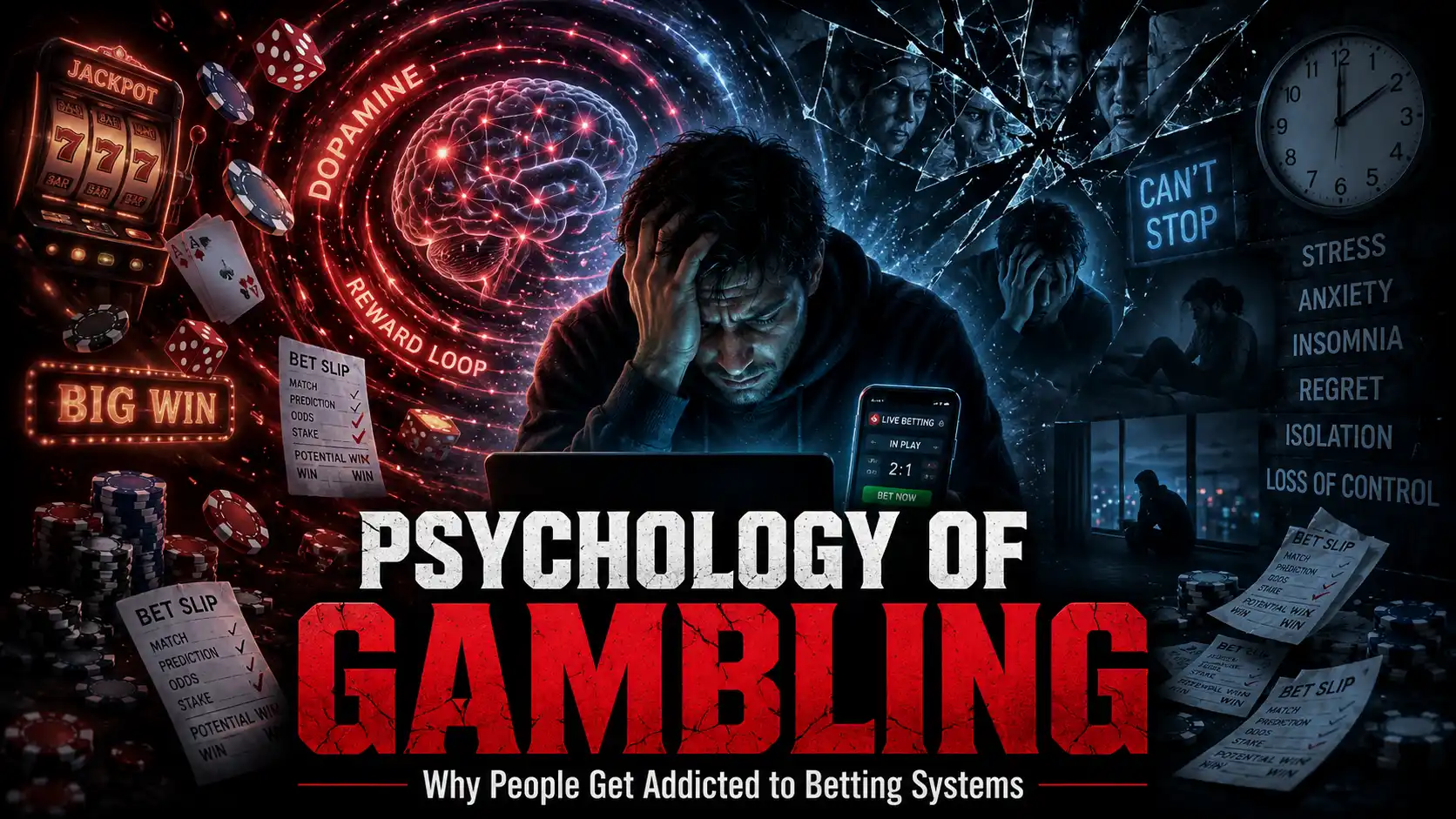
Psychology of Gambling Why People Get Addicted to Betting Systems

Introduction
Gambling is not only about money. It is also connected with human psychology, emotions, hope, risk, and reward. Betting systems attract people because they create suspense and excitement. Whether it is Satta, Matka, lottery, casino games, sports betting, or online betting, the basic psychological pattern is almost the same.
Many people start gambling casually. They may think it is only for fun or a quick chance to earn money. But slowly, betting can become a habit. When a person keeps gambling even after losses, stress, or family problems, it can become a serious addiction.
What Is Gambling Addiction?
Gambling addiction means a person loses control over betting behavior. They may want to stop, but they still continue. They may lose money again and again, yet keep hoping that the next bet will recover everything.
This addiction is dangerous because it affects the brain’s reward system. The person starts chasing excitement, not just money.
Why Gambling Feels So Exciting
Gambling creates excitement because the result is uncertain. A person does not know whether they will win or lose. This uncertainty keeps the mind active and emotionally involved.
The waiting time before results can create strong suspense. When the result comes, the person feels either happiness from winning or disappointment from losing. This emotional cycle makes gambling powerful.
The Role of Dopamine in Gambling
Dopamine is a brain chemical connected with pleasure, reward, and motivation. When a person wins, the brain releases dopamine, which creates a feeling of excitement.
The problem is that gambling can trigger dopamine even when a person is only expecting a win. This means the brain starts enjoying the process of betting itself.
Over time, the person may need more betting to feel the same excitement.
The Near-Miss Effect
A near-miss happens when someone almost wins. For example, if their chosen number is very close to the winning number, they may feel that success was near.
This is psychologically powerful. Even though the result is still a loss, the person may think, “Next time I can win.”
This near-miss effect pushes many people to continue betting.
Chasing Losses
Chasing losses is one of the biggest reasons gambling becomes addictive. When someone loses money, they often feel pressure to win it back.
Instead of stopping, they place another bet. If they lose again, they may bet even more. This creates a harmful cycle.
Chasing losses usually leads to bigger financial damage.
Illusion of Control
Many gamblers believe they can control or predict the result. They may follow patterns, lucky numbers, old results, or personal tricks.
In reality, most betting systems are based on chance. Random results cannot be controlled by confidence, experience, or guesswork.
This false belief keeps people trapped.
The Hope of Quick Money
Many people are attracted to gambling because they believe it can bring quick money. Betting systems often look simple: choose a number, place money, and wait for the result.
This simplicity creates false hope. People may ignore the fact that gambling is designed around risk and uncertainty.
For most people, gambling leads to loss rather than profit.
Online Betting and Easy Access
Online betting has made gambling more addictive. Earlier, gambling required physical places or local contacts. Now, websites and mobile apps make betting available anytime.
A person can gamble privately from home using a phone. This easy access increases the risk of repeated betting.
Fast results, digital payments, and constant notifications make online betting even more dangerous.
Social Influence and Peer Pressure
Friends, groups, and online communities can influence gambling behavior. If people around someone are betting, they may feel pressure to join.
Sometimes gambling is presented as entertainment or a smart money-making method. This can make people ignore the risks.
Social influence makes gambling feel normal, even when it is harmful.
Emotional Escape
Some people gamble to escape stress, sadness, boredom, loneliness, or personal problems. For a short time, betting may distract them.
But this escape is temporary. If they lose money, stress becomes worse. Then they may gamble again to escape that stress.
This creates a repeated emotional cycle.
Why People Continue After Losing
Many people continue gambling after losing because they believe a win is coming soon. They may think their luck will change.
This belief is dangerous because every new bet still carries risk. Past losses do not guarantee future wins.
The mind creates hope, but gambling outcomes remain uncertain.
Common Signs of Gambling Addiction
A person may be developing gambling addiction if they:
Bet more money than planned.
Hide gambling from family or friends.
Borrow money to gamble.
Feel restless when trying to stop.
Keep betting to recover losses.
Ignore studies, work, or family duties because of gambling.
These signs should be taken seriously.
Effects of Gambling Addiction
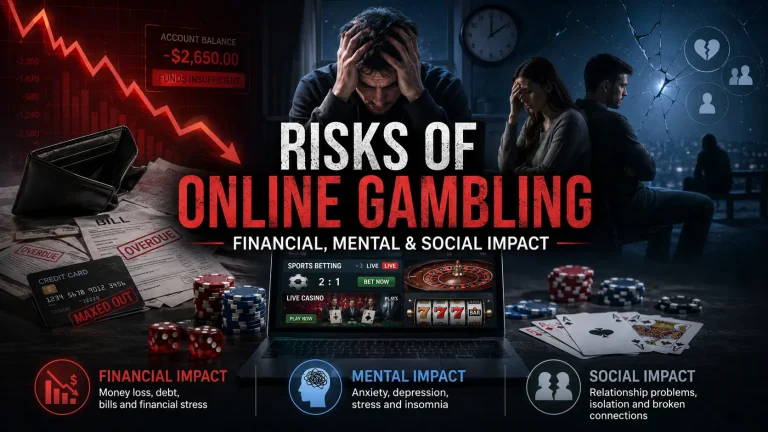
Gambling addiction can damage many areas of life. It can cause financial loss, stress, family conflict, poor work performance, and emotional problems.
A person may lose trust, savings, and peace of mind. In some cases, gambling can also lead to legal trouble, especially if the betting system is illegal.
How to Stay Safe
The safest option is to avoid illegal and risky betting systems. Gambling should never be seen as a reliable way to earn money.
People should also avoid chasing losses and should not believe in guaranteed winning tricks.
If someone feels unable to stop gambling, they should speak to a trusted family member, counselor, teacher, or mental health professional.
Conclusion
The psychology of gambling is powerful because it affects the brain, emotions, and decision-making. Dopamine, suspense, near-misses, chasing losses, false hope, and online access all make betting systems addictive.
Understanding these psychological factors helps people make safer choices. Gambling may look exciting at first, but it can quickly turn into a harmful habit. Awareness is the first step toward protection.